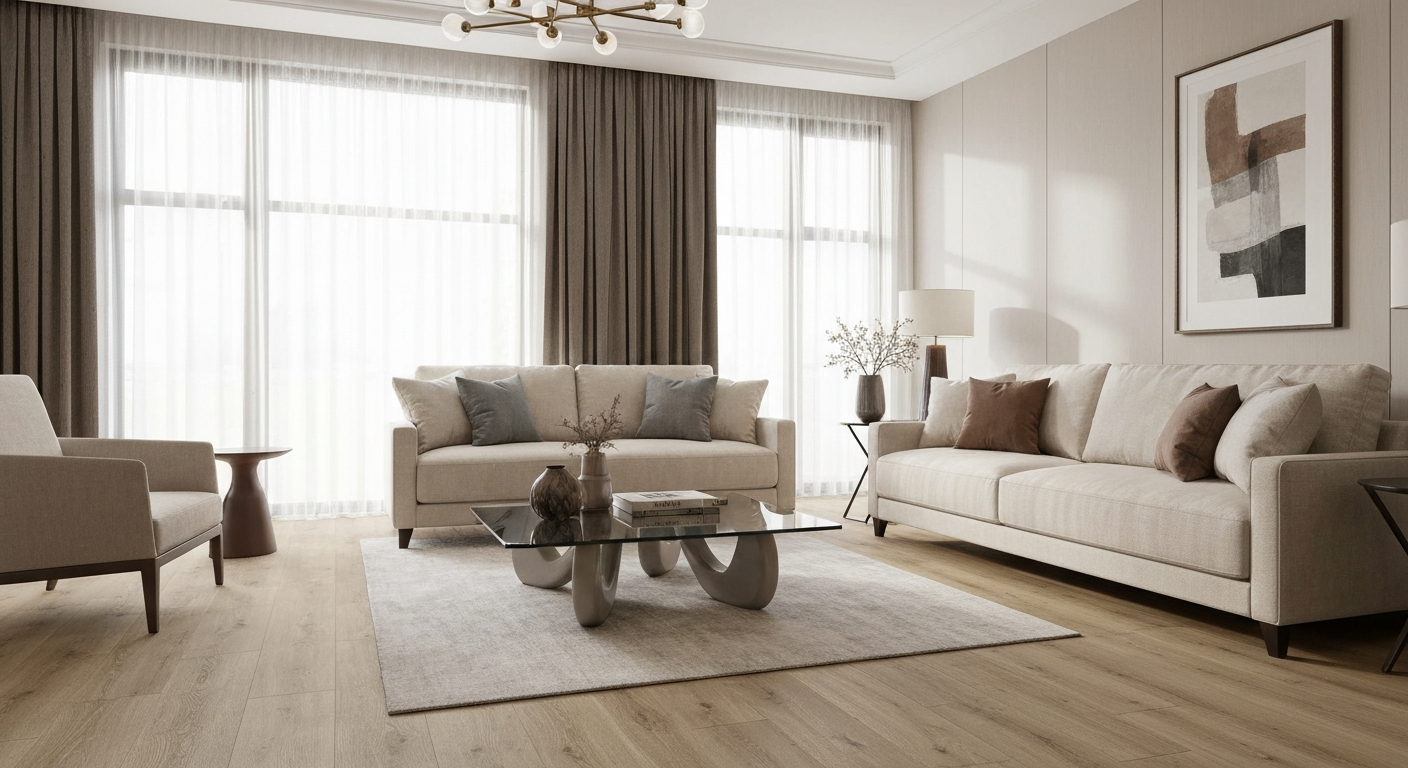
Timber Flooring
The right timber floor doesn't just sit beneath you, it sets the tone for everything above it.
At Domain Flooring in Carnegie, we help Melbourne homeowners, designers, and renovators choose timber flooring that suits the way they actually live. Pre-Finished Engineered, raw or Custom, the options are broad, and the differences matter more than most people realise.
Browse All Timber Flooring
Filter by price, brand, and thickness to find your perfect match.
Filter Swatches
Showing 107 swatches
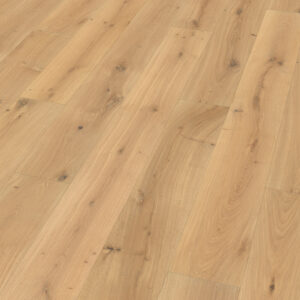
Acacia
Organic Collection

Alba (2226)
WildOak Soleil
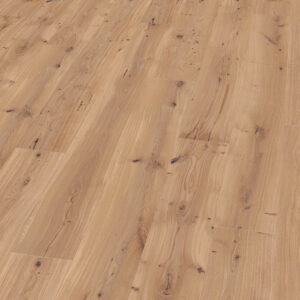
Amber
Organic Collection

Ash
Genuine Oak
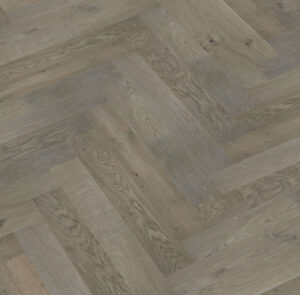
Ash
Adore Collection
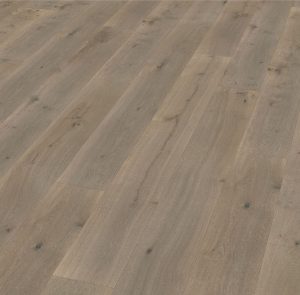
Ash
Forever Collection

Barrel
Genuine Oak
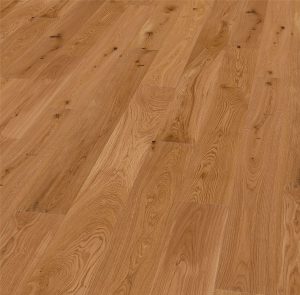
Beeline Honey
Forever Collection

Blackbutt
Eucalypt Collection
Blackbutt - Wide
Eucalypt Collection

Blackbutt Rustic
Eucalypt Collection

Blonde
Adore Collection
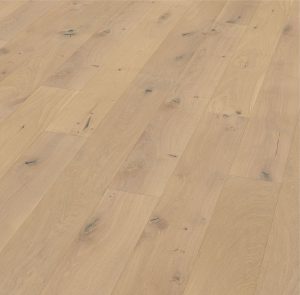
Blonde
Forever Collection

Bordeaux (2225)
WildOak Soleil

Cameo (2224)
WildOak Soleil
You Probably Know the Look You're After. Let Domain Flooring Handle the Rest.
Most people come in with a direction, they've seen a floor they liked somewhere, they want something warm, or they want the feel of real timber without the maintenance anxiety. That's enough to start.
What they often don't know is how much variation exists beneath the surface. Two engineered timber floors can look identical from above but perform very differently over a decade. Species choices affect hardness, grain character, and how a floor responds to humidity. The surface finish determines how it ages, how it cleans, and whether it can be refreshed down the track.
Our role is to match those factors to your home, your lifestyle, and your budget before you commit to anything. A floor is a long-term decision, it deserves more than a decision made on colour alone.
The Three Things That Shape Every Timber Floor Decision
Before we talk species or colours, three things need to line up: Construction, Species & Grade, and Surface Finish. Get those right and everything else follows.
1Timber Construction — What's Actually Under Your Feet
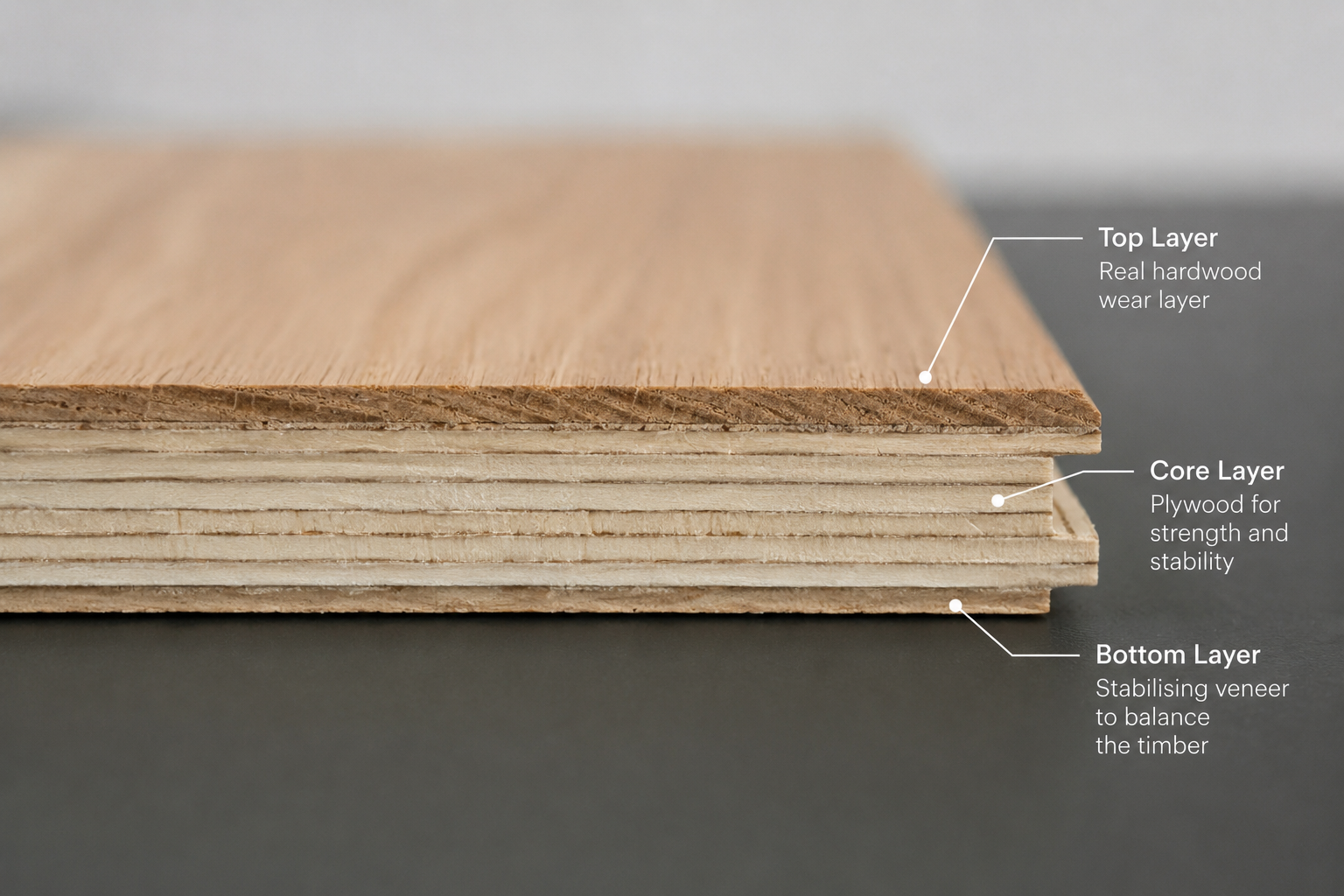
Engineered Timber
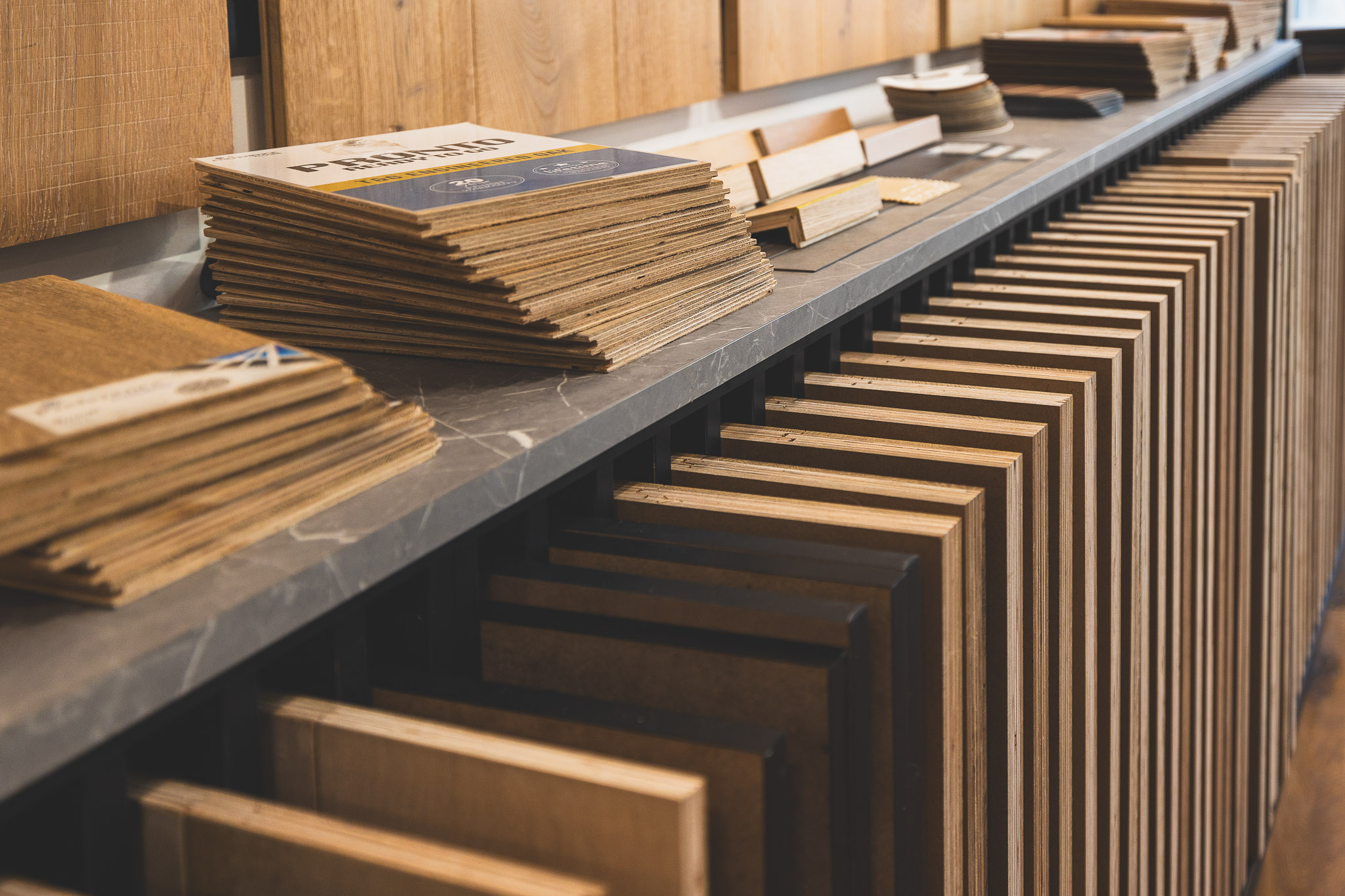
A real timber wear layer bonded to a stable plywood core. The layered construction makes engineered timber dimensionally stable, it handles humidity variation well, can be installed over concrete or particle board, and is compatible with underfloor heating in most cases. The wear layer can typically be sanded and recoated once or twice depending on its thickness, giving the floor a meaningful lifespan. Engineered timber is the standard choice for Melbourne homes and the format we work with across our entire timber range.
Engineered Parquet (Herringbone and Chevron)
Parquet formats, herringbone and chevron being the most common, use short engineered boards laid in a geometric pattern rather than straight runs. The visual result is architectural and distinctive, commanding a room in a way that straight lay flooring simply doesn't. Installation requires only an adhesive fix and a high level of trade skill, and the format suits rooms where the floor is intended to be the design centrepiece, e.g. open plan living areas, dining rooms, hallways, and feature spaces.
Hybrid (Timber Look)
Not a timber floor in the traditional sense, but worth understanding as a category. Hybrid flooring uses a rigid composite core with a printed timber look layer and a protective wear coat. It is waterproof, dimensionally stable, and requires no acclimatisation. For areas where engineered timber is impractical, bathrooms, laundries, kitchens, or below grade rooms. Hybrid offers the appearance of timber with very low moisture risk. Domain Flooring stocks hybrid flooring across a separate range.
2Timber Species & Grade — How It Looks and How It Performs
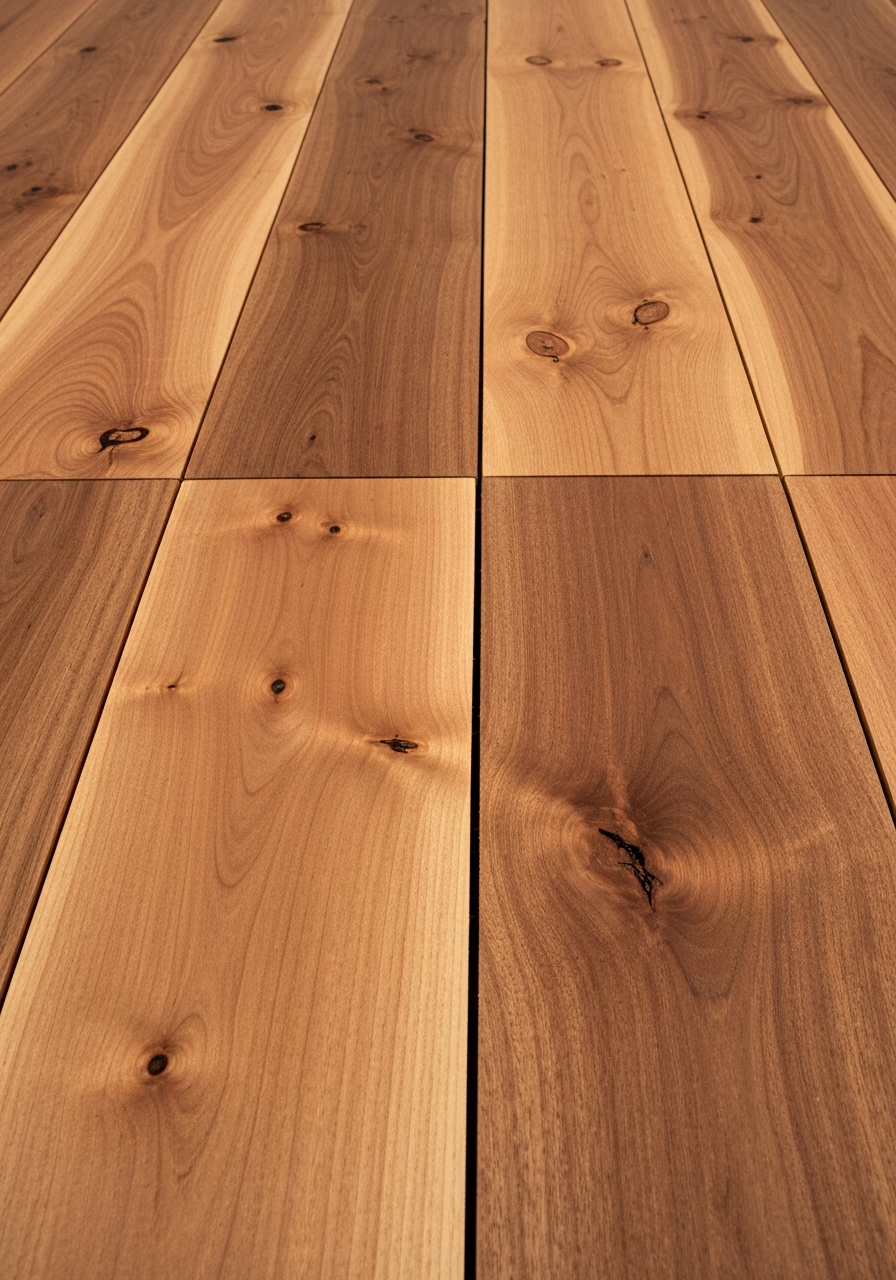
The species of timber determines the hardness of the floor, the character of the grain, and the natural colour range available. The grade determines how consistent or characterful the boards are. Both decisions are aesthetic and practical.
Oak
The dominant species in Australian engineered timber. Oak is a Mid-hard, stable, machines well, and takes stain exceptionally, it's the reason most factory finished and raw engineered floors are built with a Oak wear layer. The grain is open and linear, with a subtle ray fleck that reads differently depending on how the boards are cut. Oak suits contemporary, Scandinavian, coastal, and transitional interiors. It is the most versatile species in the collection.
Australian Hardwoods
Australian native species bring a distinctly different character: wider, more dramatic grain, natural colour variation from pale blond through to deep honey and chocolate tones, and a hardness that exceeds European Oak. Spotted Gum and Blackbutt are among the most popular domestically. They suit homes where a warm, robust, unmistakably Australian aesthetic is the intent.
Board Grade — What It Means in Practice
Grades describe how consistent or varied the boards are within a pack. The terminology varies from manufacturer but the principle is consistent:
Understanding Engineered European Oak Grades
European Oak flooring is graded on appearance only — things like knots, colour variation, and grain pattern. The grade has no impact on the durability or quality of the floor. As a simple rule: fewer letters means a cleaner look, more letters means more character.
- AB Grade: The cleanest, most uniform grade available. AB boards have minimal knots, consistent colour, and fine even grain.
- ABC Grade: A premium grade with just a touch more warmth. ABC introduces subtle colour variation and the occasional small knot, making it a popular choice for those who want a clean look with a hint of natural character.
- ABCD Grade: The most widely used grade and the great all-rounder. ABCD blends clear sections with natural features like knots, colour shifts, and grain movement, characterful but cohesive, and works beautifully in both residential and commercial spaces.
- CD Grade: A rustic grade with genuine personality. CD boards feature prominent knots, stronger colour variation, and expressive grain, making them a natural fit for farmhouse, coastal, and heritage-style interiors that embrace natural imperfection.
- DD Grade - Rustic: The most natural and characterful grade available. DD boards are rich with knots, colour contrast, and grain movement where no two boards look the same, perfect for rustic, industrial, or bold design-led spaces that celebrate timber in its most honest form.
Understanding Australian Timber Floor Grades
Australian hardwood flooring uses descriptive grade names rather than a letter system, governed by Australian standard AS 2796. Like European Oak, grading refers to appearance only, not structural integrity or hardness.
- Standard and Better: The premium end of the Australian hardwood scale. Standard and Better boards are selected for a clean, consistent appearance with tight grain, minimal knots, and little colour variation, looking particularly refined in species like Blackbutt, Spotted Gum, and Tasmanian Oak.
- Rustic: Where Australian timber really shows its personality. Rustic grade embraces prominent knots, gum veins, strong colour variation, and expressive grain, particularly stunning in species like Spotted Gum and Ironbark, and perfectly suited to coastal, country, and heritage interiors.
Neither grade is better than another, the right choice depends entirely on the interior direction. We'll always show you samples of each in the showroom before you decide.
3Surface Finish — The Factor Most People Overlook
Two floors in the same species and grade can look and perform completely differently depending on their surface finish. This is the decision that most people spend the least time on — and it's one of the most important.
Water Based Lacquer – Most Common
A water-based lacquer forms a hard, protective layer on the surface of the board, making it one of the most durable and low-maintenance coating options available. It dries clear and enhances the natural colour of the timber without adding a heavy sheen, giving you a clean, contemporary finish. Lacquered floors are easy to clean, resistant to everyday scuffs and spills, and well suited to busy households and high-traffic areas.
UV Oil
An oil that penetrates the timber fibre and is cured under UV light at the factory. The result is a floor that feels and looks closer to raw timber, more tactile, warmer underfoot, and visually less processed. UV oil is easier to spot repair than polyurethane: worn areas can be re-oiled in place without sanding the entire floor. Maintenance requires periodic re-oiling (typically every one to three years depending on traffic) with a compatible product. A genuinely beautiful finish that ages with character.
Hardwax Oil
Similar in philosophy to UV oil, a penetrating finish that nourishes the timber from within rather than coating the surface, but applied and cured differently. Hardwax oil floors have a very natural, lived in appearance and are repairable in sections. The maintenance requirement is similar to UV oil. Popular in European design traditions and increasingly common in contemporary Australian interiors.
Raw / Unfinished
Boards supplied without any factory finish, ready for staining and coating on-site after installation. The primary benefit is complete control: the owner or designer specifies exactly the stain tone and finish system, making every installation genuinely unique. The limitation is that installation requires a qualified tradesperson for both laying and finishing, and the floor must be protected from moisture and traffic until fully finished. Not suitable for rushed timelines.
Why Two Timber Floors That Look the Same Can Perform Very Differently
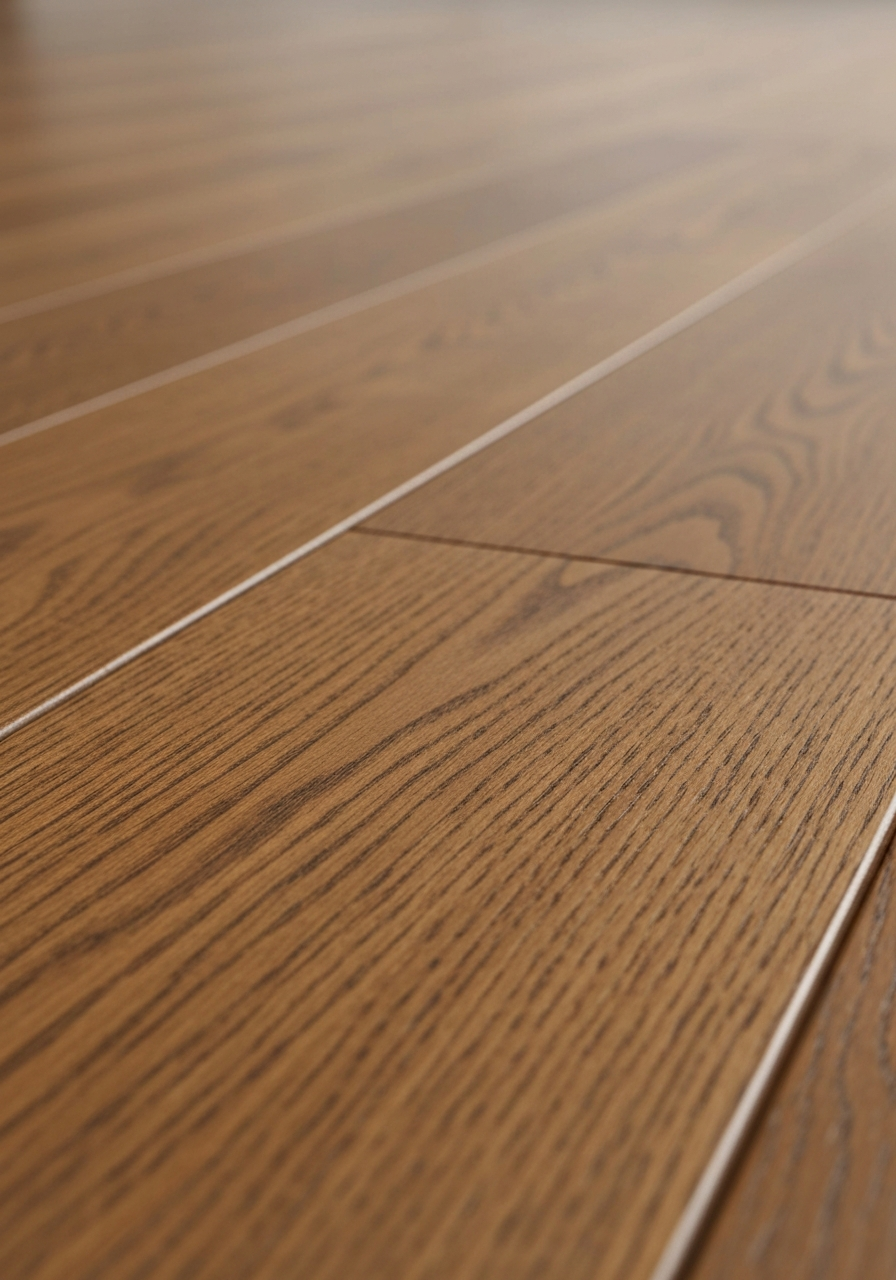
Two engineered Oak floors at similar price points can look almost identical in a showroom. Same pale tone, same matte finish, similar board width. And yet one will still look good in fifteen years while the other has delaminated at the edges, reacted badly to a Melbourne summer/winter, or worn through the surface liner after a single sand.
The difference is in the wear layer thickness, the quality of the core construction, the surface finish system, the installation method, and whether the product suits your specific subfloor and environment. These factors don't show up in a photograph.
This is where experienced advice pays for itself. A recommendation based on your actual home, subfloor type, lifestyle, and design intent will serve you far better than a choice made on appearance alone or on price per square metre.
The Domain Flooring Process.
From First Question to Finished Floor.
We keep it simple. No hard sell, no pressure, no confusion.
Tell us about your space
We start by understanding the room, the subfloor type, how the space is used, and what matters most to you, appearance, durability, budget, or all three.
We narrow the options
Based on what you've told us, we'll recommend a focused range of products that genuinely suit your subfloor, lifestyle, and design direction.
Consider species, grade, and finish
We help you compare how different species, board grades, and surface finishes read in your specific interior, light conditions, wall colours, existing furniture, and all.
Arrange a measure
A proper measure confirms the exact area, subfloor requirements, any waste factors around herringbone or feature layouts, and gives you accurate, complete pricing.
Choose with confidence
You make your final decision knowing you've thought through all the right factors, with no surprises on installation day.
Frequently Asked Questions
Answers to the questions we hear most often in our showroom.
Timber Flooring Brands We Supply and Install
We work with Australia's most trusted timber flooring manufacturers, brands with genuine quality controls, meaningful warranties, and a consistent track record in Australian homes and commercial spaces.
The Right Timber Floor Suits the Way You Actually Live
The best timber floor isn't always the most expensive one, the widest board, or the darkest stain. It's the one that suits your subfloor, handles your lifestyle, works with your interior, and still looks exceptional a decade from now.
Visit Domain Flooring at 21 Koornang Road, Carnegie, or enquire today to arrange your free measure and quote. No pressure, no obligation, just honest advice from people who know flooring.